
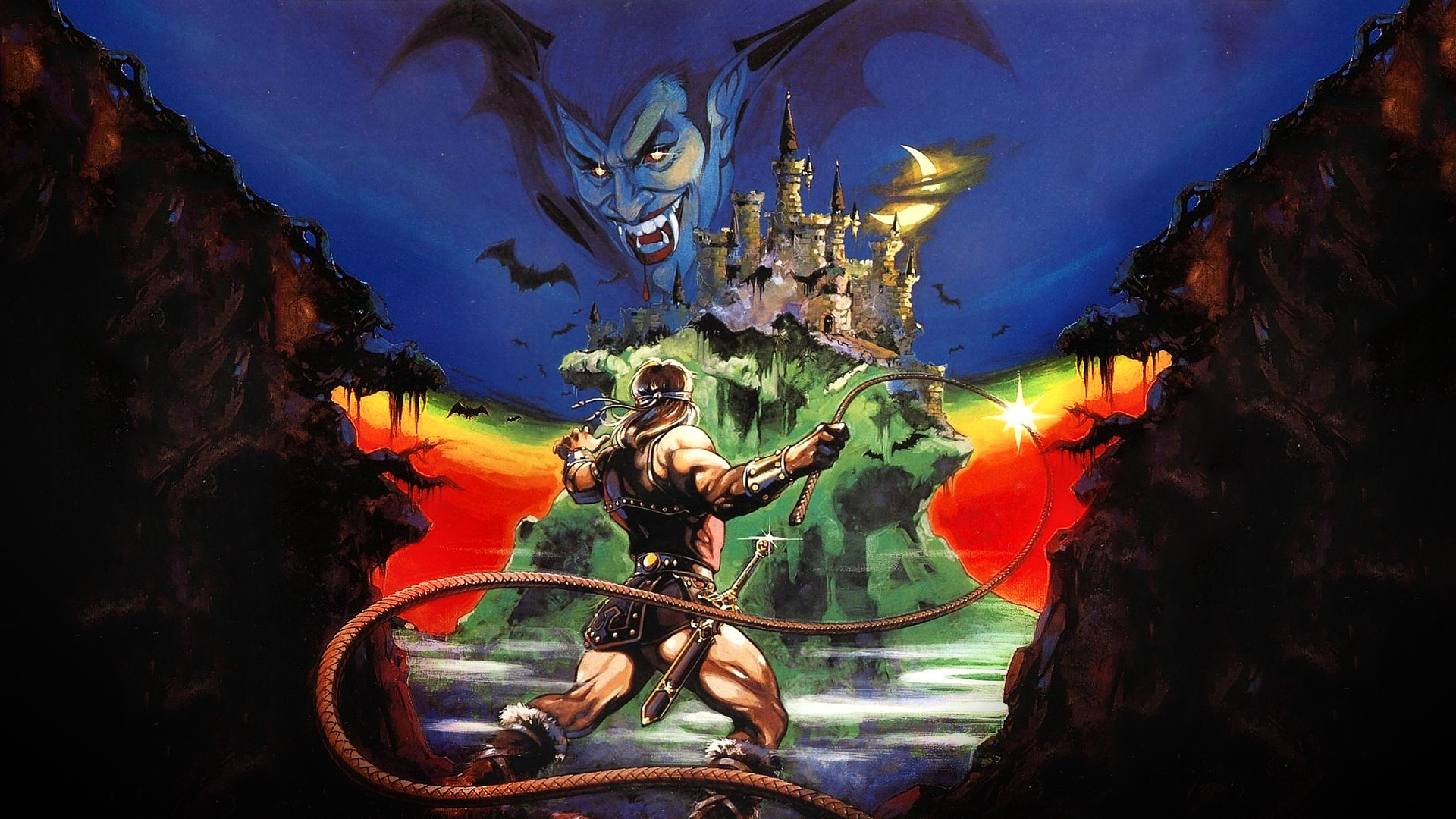
The Castlevania series is widely considered to be one of the most popular gaming franchises of all-time. The Castlevania has been around since the mid 80’s following the release of the original NES game back in 1985. The original Castlevania game saw the legendary vampire hunter Simon Belmont as the main protagonist who main mission was to defeat Count Dracula who reappeared a century after being by one of Simon’s ancestors. Aside from the original Super Mario Bros. game from ’85 the original Castlevania for the NES played a role in helping the 2D platform genre become popular in countries like America. While some would go on record and argue that Castlevania 1 was one of the more difficult installments within the franchise others would say the Haunted Castle arcade game from ’87 was harder. The Haunted Castle game from ’87 was a game that many people dislike because of its difficulty and the fact that the game felt poorly designed in comparison to other installments within the franchise. The Haunted Castle arcade game was like the Super Mario Bros. Lost Levels of the Castlevania series where it felt almost impossible to complete. The Haunted Castle game focused on Simon Belmot trying to rescue his wife Selena from Dracula. The Castlevania arcade game came out the same year as Castlevania II a game that takes place about seven years following the original game from 1985. Castlevania II: Simon’s Quest was a fun game with memorable music and we saw the addition of the day & night cycle in the series. Castlevania II also had three different endings which added to its replay value. Despite, how good the second Castlevania game was there are some people who believe that it was the weakest installment within the NES trilogy. As good as the second Castlevania game was it seems like Dracula’s Curse from ’89 gets more attention. One of the reasons why Castlevania III: Dracula’s Curse gets more attention than the second game from ’87 is because its considered more of a prequel to Simon’s Quest than a sequel. The setting for Dracula’s Curse took place towards the later part of the 15th century and saw Trevor Belmont as the main protagonist. Castlevania III was seen as a step up from Simon’s quest because it had four playable characters including Trevor Belmont, Grant Danasty, Belnades and Alucard. Similar to the previous entries Alucard’s father Dracula was the main antagonist in Castlevania III. The third Castlevania game had about seventeen different levels and it featured branching paths which made Dracula’s Cruse stand out more than Simon’s Quest. The Castlevania trilogy in general stood out during the late 80’s especially on the NES. The Castlevania trilogy was dark and more adult themed than many of the other video games that appeared on the 8-bit console. The Dracula’s Curse game came out the same year Castlevania: The Adventure appeared on Game Boy. While the Game Boy was a big deal and selling out like crazy during the early 90’s Castlevania: The Adventure ended up being on of the worst installments within the series. While players could control Simon and Christopher Belmont the game lacked depth and there were no sub-weapons available. The Castlevania game for Game Boy only had four stages and none of the bosses were memorable with the exception of Dracula.
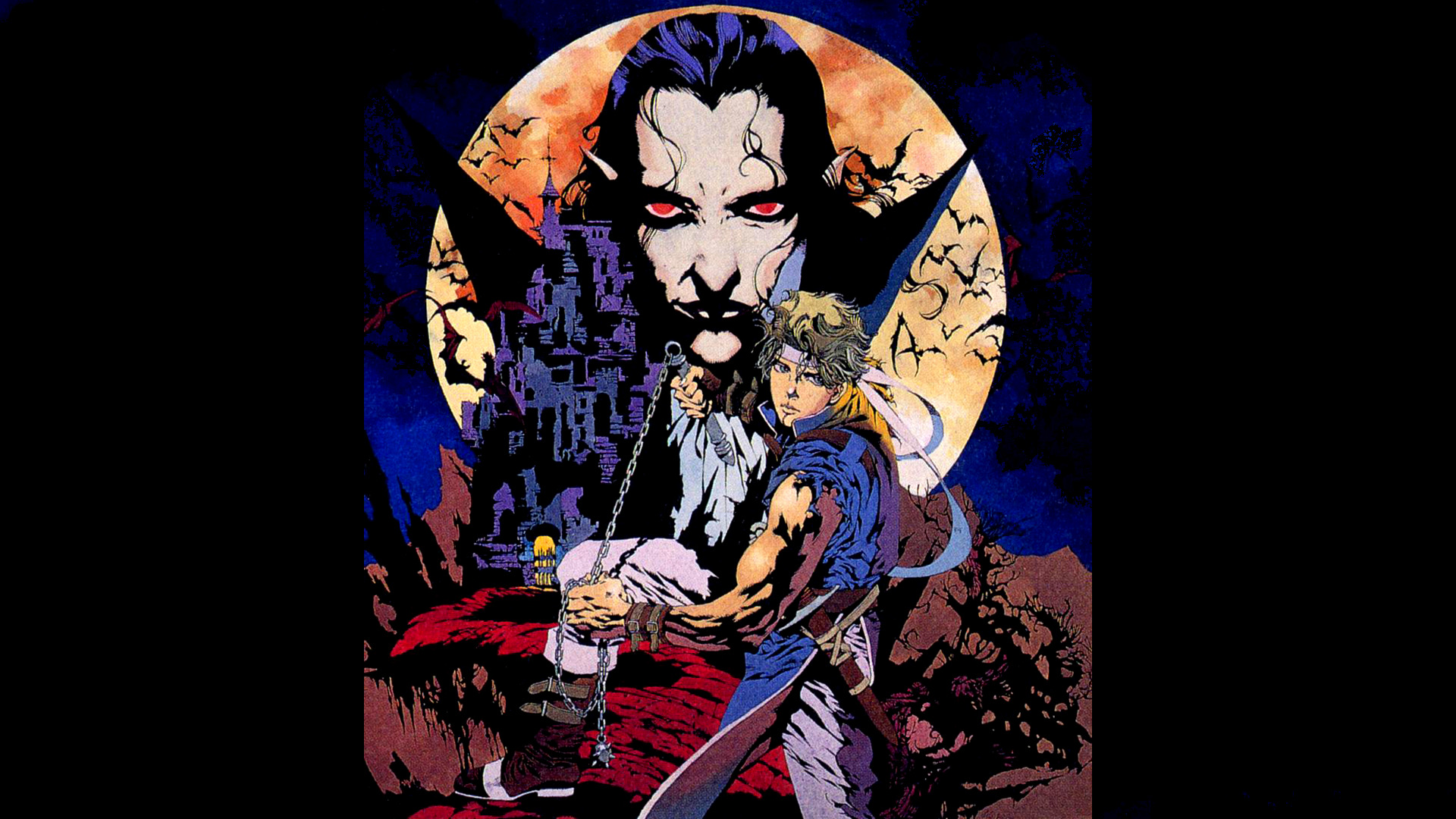
During the start of the 90’s decade we got to see Super Castlevania IV on the SNES console in 1991. Super Castlevania IV was basically a non-canon remake of the original game from ’86. There were a many things about Super Castlevania IV that were good including the gameplay, graphics and soundtrack. Also, Mode 7 was one of the few things that made Super Castlevania IV stand out from predecessors or anything else you would see on the Sega Genesis. While some believe that Super Castlevania IV is overrated others believe that it was one of the better entries Konami had produced during the 90’s decade. The “Bloody Tears” soundtrack from Super Castlevania IV is legendary and will go down as one of the greatest SNES themes of all-time. During ’93-’94 we got to see the release of games like Castlevania: Rondo of Blood and Bloodiines. Castlevania: Rondo of Blood had appeared as a Japanese exclusive on the PC Engine’s Super ROM. The Rondo of Blood game had featured Richter Belmont as the main protagonist and Dracula as the main antagonist after being revived by a dark priest. Rondo of Blood had nine different levels and had one of the greatest first stage theme songs of the 90’s. Rondo of Blood was eventually re-released for the SNES as Castlevania: Dracula X in ’95 and it was considered to be a significant improvement over Super Castlevania IV from years prior. Despite, how cool Rondo of Blood and Bloodines were during the 90’s they failed to achieve any type of major commercial success. By the time we got to the mid 90’s the 2D action-platform genre of gaming was starting to decline in popularity and the arcade fighting genre started becoming more mainstream. While the gameplay and graphics of every Castlevania game following the original from ’85 had improved people were more fond of the original story along with Simon Belmont.
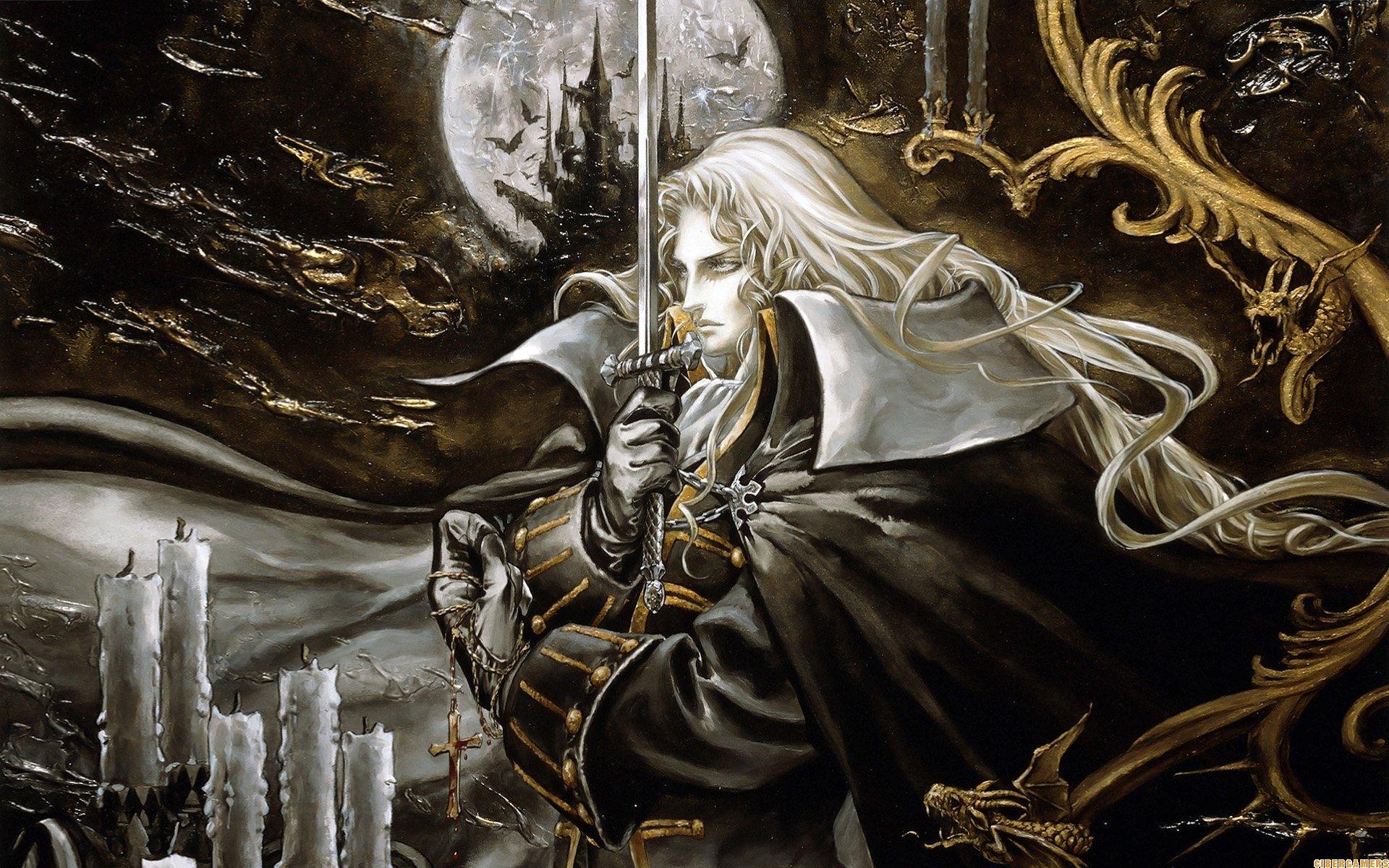
Castlevania: Symphony of the Night from ’97 was quite possibly the greatest entry within the series aside from the original game. Symphony of the Night had almost everything a hardcore Castlevania fan could ask for including a great story, nice soundtrack good gameplay especially since it was a metroidvania game with RPG elements. Also, one of the reasons why Symphony of the Night was a big deal in ’97 was because Alucard was featured as the main character who had not been a playable character since Dracula’s Curse. Also, the story for Symphony of the Night was centered around Richter Belmont’s disappearance after he defeated Dracula. Also, Symphony of the Night saw the introduction of a new villain named Shaft who was a dark cult leader. Symphony of the is a game that holds up well more than 25 years later with the exception that it has outdate graphics. Konami should consider remastering Castlevania: Symphony of the Night for current generation game systems. We also got the Castlevania game for the N64 which came out back in 1999. There are many people who have polarizing opinions about the N64 Castlevania game because it was overlooked and not nearly as good as Symphony of the Night. The main characters were Carrie Fernandez and Reinhardt Schneider and neither one of them were nearly as popular as the Belmonts or Alucard. The Castlevania 1999 game for the N64 did not get nearly as much attention as previous entries because it was non-canon. While Castlevania N64 was the first 3D installment within the series it was a mistake to not include any of the main characters. Even though, many people believe that the Castlevania series had peaked during the late 80’s and again during ’97 we did get to see some cool games during the Game Boy Advance of the early 2000’s.
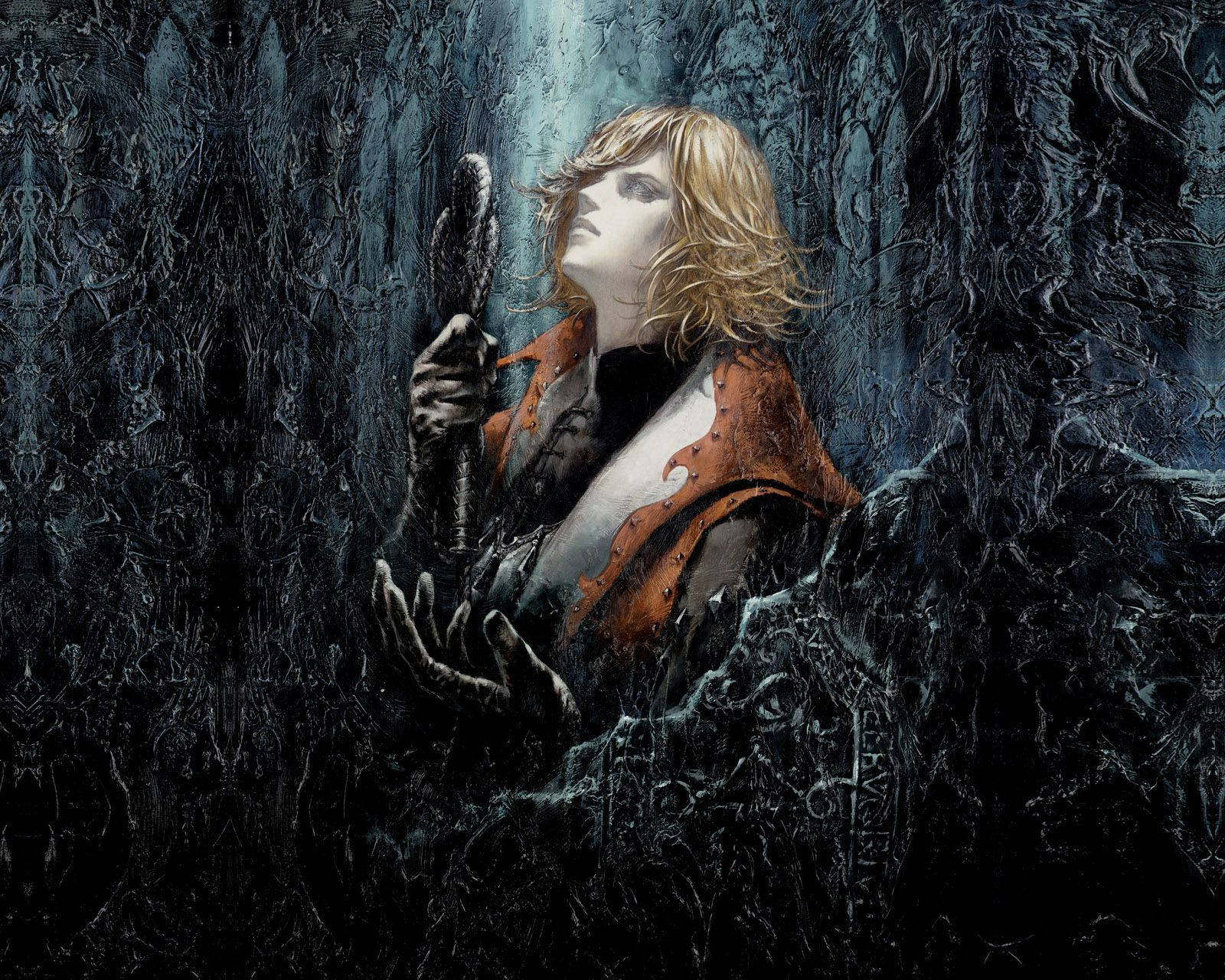
During the early 2000’s we got to witness the release of a trilogy of underrated Castlevania titles on Game Boy Advance between ’01-’03. Castlevania: Circle of the Moon came out in ’01 with Nathan Graves as the main character. Graves parents had died trying to banish Dracula and in Circle of the Moon had to rescue his master from Dracula. Circle of the Moon had a great soundtrack and a metroidvania type of game which added to its appeal. The only negatives about Circle of the Moon involved the boss battles and how unfair they were to the players. Nathan did little damage to the bosses and it felt like they had too much health. Aside from the difficultly Circle of the Moon ended up being one of the better Castlevania games to come after Symphony of the Night. Castlevania: Harmony of Dissonance came out in ’02 and the main character was one of Simon Belmont’s descendants Juste Belmont. The story for Harmony of Dissonance was not as interesting as the other entries mainly because it focused on the dissapperance of Juste’s friend Lydie. Harmony of Dissonance did however have fun gameplay and multiple endings. The level design in Harmony of Dissonance could have been better and did not capture the magic of Castlevania: Symphony of the Night. Castlevania: Aria of Sorrow from ’03 was interesting because it had a futuristic setting in the year 2035. The main character in Aria of Sorrow was Soma Cruz a teenager with occult powers. The main villain was a dark cult leader named Graham Jones who born in 1999 the same year Dracula was sealed in away. Graham Jones believed that he was the reincarnation of Dracula. While Aria of Sorrow had a decent story Soma Cruz was not much of a memorable character. Aria of Sorrow featured good music, nice graphics and multiple endings but it was too easy for most people. It should also be noted that in 2003 we got to see the release of Castlevania: Lament of Innocence which was a sequel to the original ’85 NES game and a prequel to the rest of the series. Lament of Innocence was arguably one of the best 3D Castlevania games made and it came out during the PS2 era. Lament of Innocence had Leon Belmont as the main character and was praised for its art direction, soundtrack, graphics and story. Despite, how good the Castlevania game were during the early 2000’s they did not get as much love older entries within the series. Castlevania was starting appealing more towards a niche audience from the early 2000’s onwards. Even though, the best selling game with the Castlevania franchise Lords of the Shadow did not come out until 2010 Konami has done nothing special with the series outside of that during the 2010’s decade. The Castlevania franchise was definitely more popular in the gaming world during the late 80’s-early 00’s opposed to now. However, it seems like Castlevania still has a cult following which eventually lead to the series getting anime adaptations on Netflix during the late 2010’s-early 2020’s.
 Gaming Hearts Collection
Leave a comment