
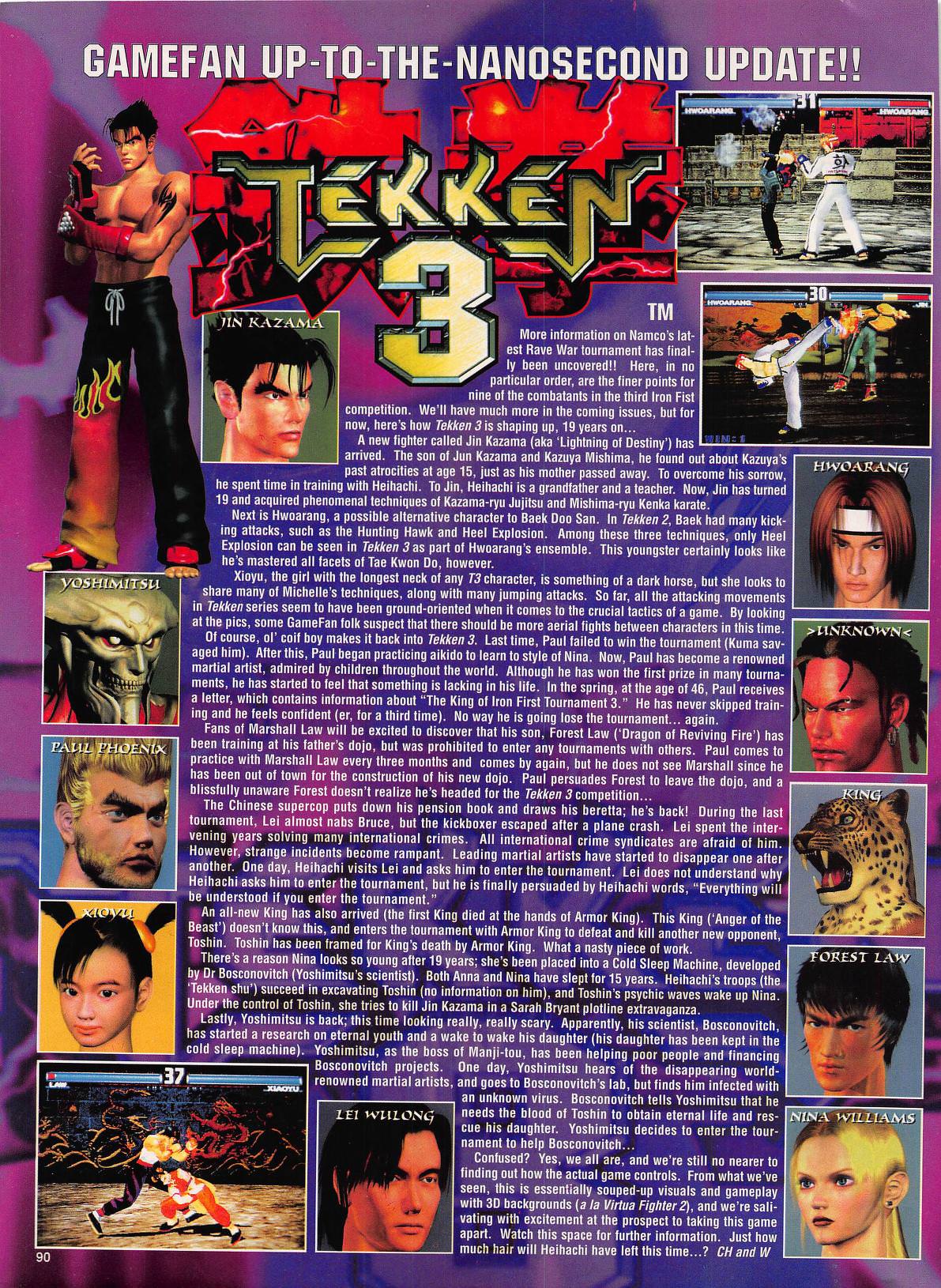
The Tekken series has been around for three decades and since its inception back in ’94 the franchise has become one of the biggest names within the gaming world today. All of the Tekken games that we got between ’94-’99 including Tekken, Tekken 2, Tekken 3 along with Tekken Tag Tournament are all considered to be classics today. The very first Tekken game resembled that of Virtua Fighter while the second Tekken game from ’95 ended up being far better than its prequel in terms of overall quality. The soundtrack for Tekken 2 was arguably the best in the entire series and the roster of characters was limited but loaded with larger than life characters. Tekken 2 was the game where characters like Kazuya Mishima, Heihachi Mishima, Paul Phenoix, Nina Williams, Julia Chang, Marshall Law and Jun Kazama got to shine. Tekken 2 appeared on the PS1 in ’96 and ended up becoming one of the best selling video games for the 32-bit console reaching around 5.7 million copies in sales. Despite, how great Tekken 2 was in ’95-’96 it was not nearly as addictive as the iconic Tekken 3 game which appeared in arcade centers in ’97. Tekken 3 has better looking stages, graphics and had more of a edgy vibe to it compared to Tekken 2 which added to its appeal. Tekken 3 was also the video game where iconic characters like Jin Kazama, Ling Xiaoyu, Eddy Gordo and Hwoarang made their debuts. The PS1 port of Tekken 3 was almost as good if not better than arcade version because of the additional game modes it featured. The PlayStation version of Tekken 3 had modes like Tekken Ball, Tekken Force and Theater Mode along with the standard arcade and versus modes and felt more challenging than it should have been. Tekken 3 ended up becoming the fifth best selling video game for the PS1 reaching around 8.3 million copies in overall sales. Tekken 3 is highly regarded as the best 3D arcade fighting titles of the 90’s decade. Tekken 3 is also seen as the game that really help put the series itself on the map in relation to appealing to casual gamers alongside Tekken 2. Tekken Tag Tournament game from ’99 was legendary because it was one of the first major 3D tag-team fighting games ever. Despite, not selling nearly as much as Tekken 3 did in the late 90’s the game had a stacked roster of characters and had a level of appeal that standard fighting titles could not match during the 90’s decade.
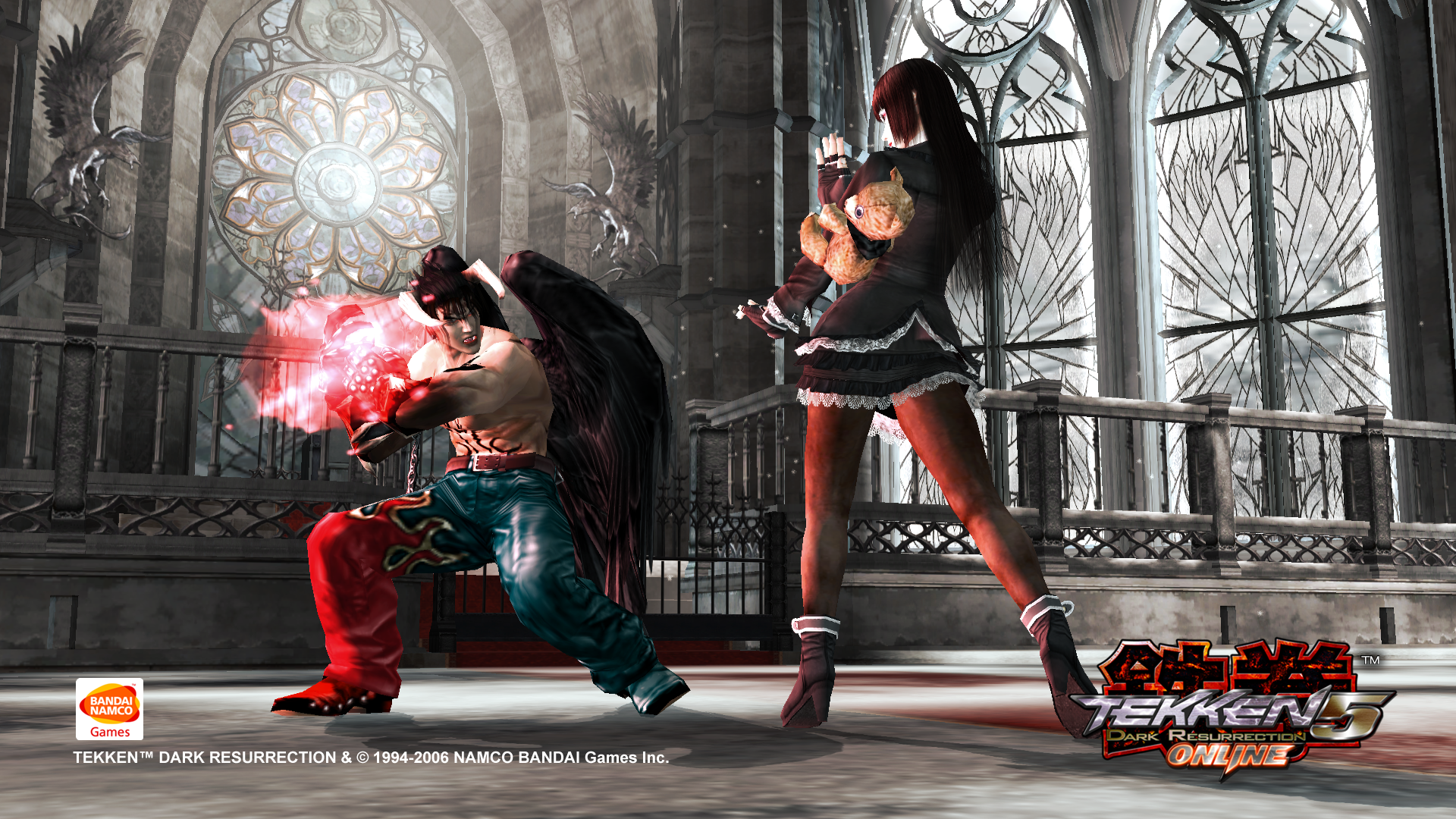
The 2000’s decade started of with Tekken 4 a game that is often seen as the black sheep of the series. Tekken 4 appeared on the PS2 back in 2001 and did not have the level of mainstream appeal that its predecessor Tekken 3 had in the late 90’s. Despite, having improved visuals Tekken 4 felt bland and generic compared to the Tekken trilogy from the 90’s. While Tekken 4 continued telling the story of the Mishima family feud one of the reasons why it stands out because it was the game where Christie Monteiro and Nina William’s son Steve Fox make their first appearances. The original version of Tekken 5 along with T5: Dark Resurrection from ’05-’06 ended up being the games that renewed the interest of many lapsed fans of the series. Tekken 5 introduced a new yet memorable main antagonist named Jinpachi Mishima the father of the recurring main villain Heihachi Mishima. Tekken 5 was more story driven than its predecessors which added to its appeal along with the introduction of Tekken Dojo which was included in the T5: Resurrection game. Tekken 5 is also considered to be memorable for its storytelling especially since Jin Kazama ended up being consumed by the Devil Gene and becoming evil opposed to simply being an anti-hero. Tekken 6 came out back in ’07 and by then he is considered to be the main antagonist of game. Not only does Jin Kazama becomes everything he hates but he eventually starts a war against all nations. Tekken 6 was not nearly as popular as Tekken 5 but definitely better than T4 in terms of gameplay, design and overall replay value. However, the co-op scenario campaign in Tekken 6 with Lars Alexandersson and Alyssa Bosconovitch was interesting and ended up being more fun and challenging than many people would expect. Lars being Heihachi’s illegitimate child made him the main protagonist by default since Jin Kazama had turned to the dark side which was something that took a while to get used to.
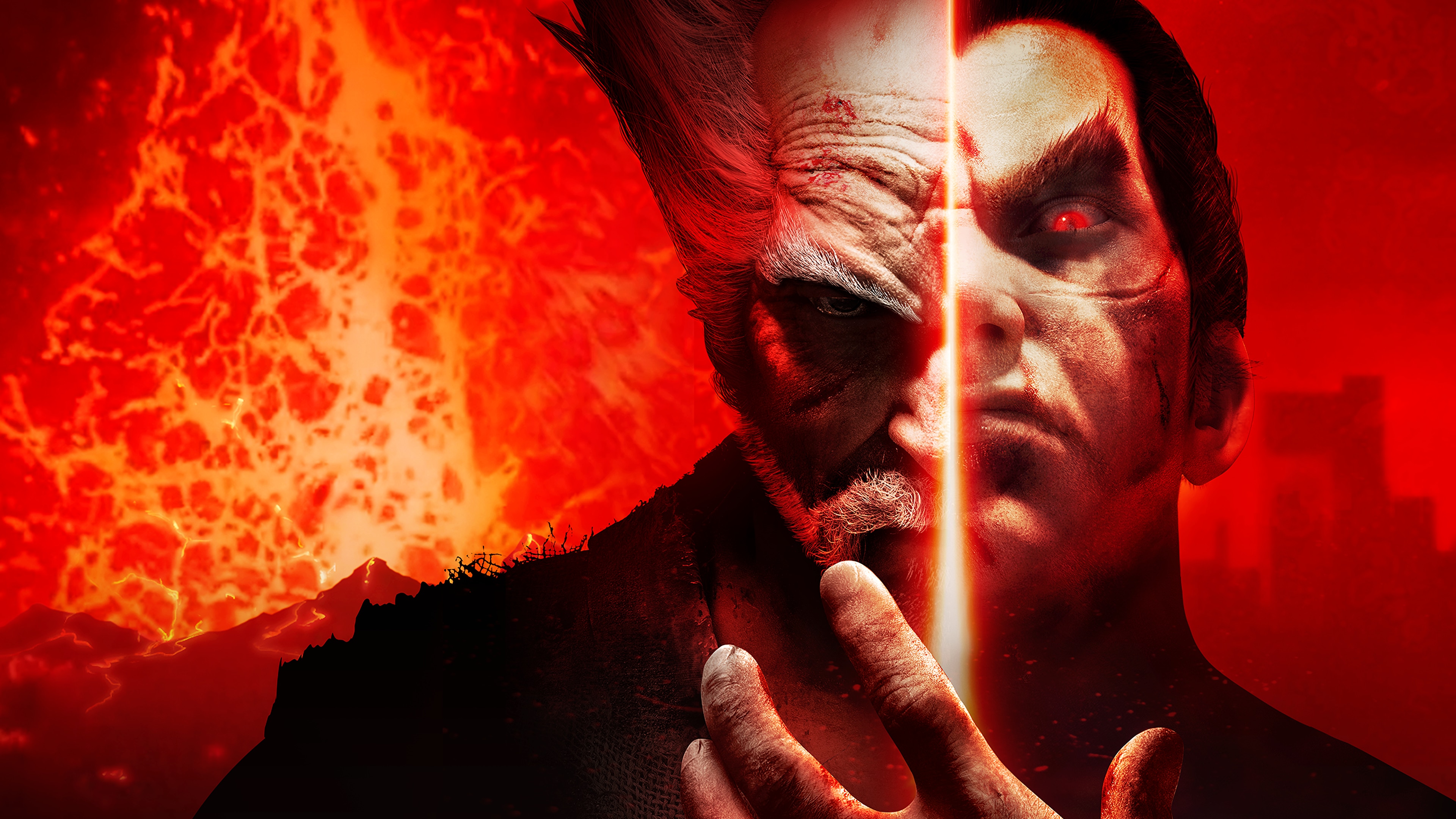
The Tekken Tag Tournament 2 from ’11 was another mostly non-canon entry within the series which appealed to hardcore fans of the series. Tekken Tag Tournament 2 has almost 60 different characters and was a game where Jun Kazama made her return to the series since her absence following Tekken 2. The problem with Tekken Tag Tournament 2 was that it did not appeal to causals as much as Bandi Namco had hoped since the overall sales were really low. While Tekken Tag Tournament was considered somewhat of a commercial flop Bandi Namco hit a home run with Tekken 7 back in 2015. Prior to the release of Tekken 8 the T7 game was considered to be the best entry within the series in terms of overall quality. The storytelling, cinematic cutscenes, voice-over acting and Tekken 7 were all incredible with Heihachi Mishima returning as the main villain and Kazuya seemingly killing him in the end of the story. By this point the war between Mishima Zaibatsu and the G-Corporation has reached dangerous levels to a point where children were being killed. Tekken 7 special appearances of guest characters like Capcom’s Akuma from the Street Fighter series along SNK’s Geese Howard from the Fatal Fury/King of Fighters franchise. Tekken 7 ended up reaching around 12 million copies in sales since its release in ’15 on game systems like PS4, Xbox one and PC. There is no question that Tekken 7 was quite possibly the best fighting title that Bandi Namco had produced in during the 2010’s along with the likes of Dragon Ball FighterZ and Dragon Ball Xenoverse 2.
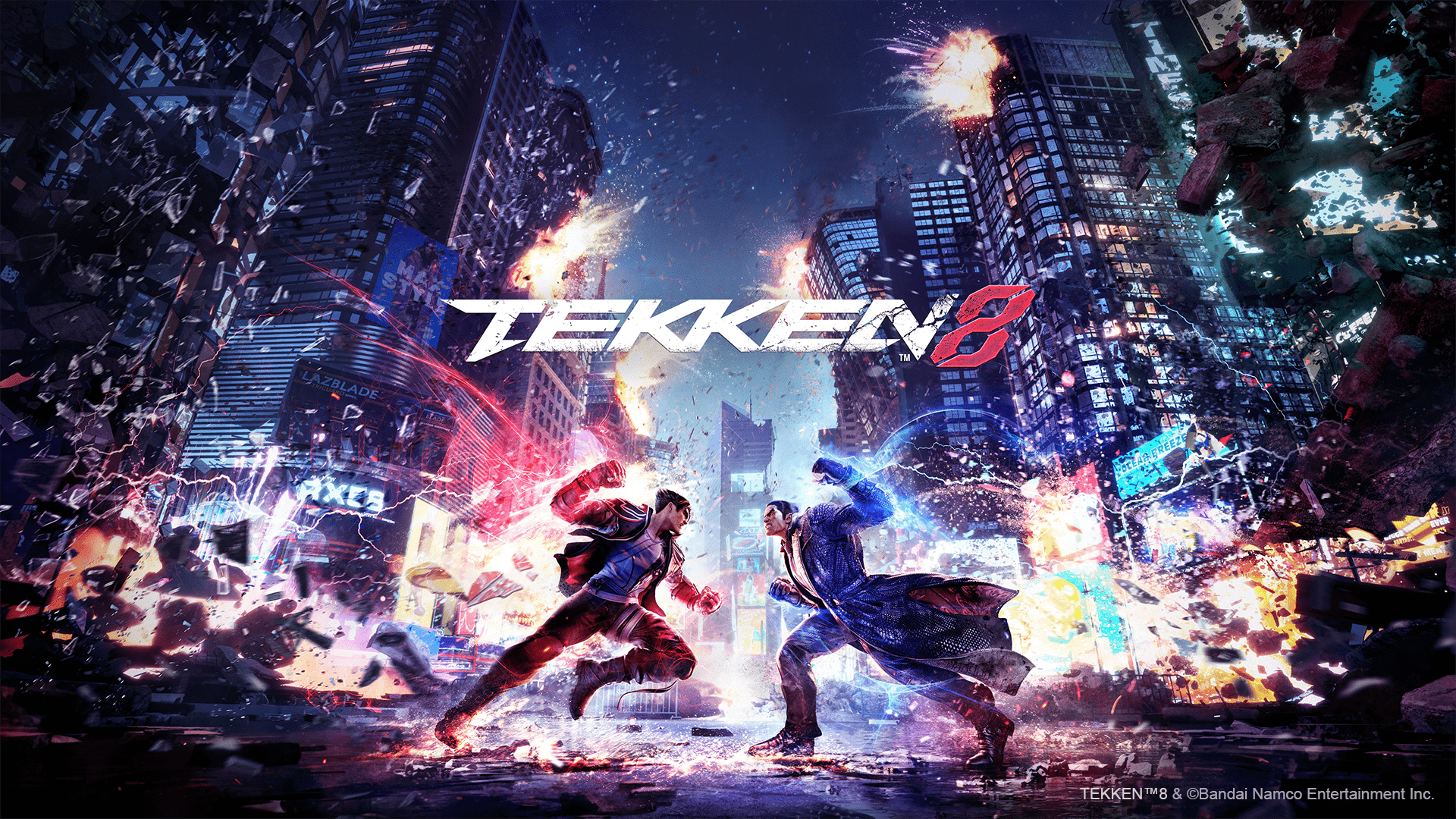
The most recent installment that we got back in January 2024 Tekken 8 is considered to be a 3D fighting masterpiece. Tekken 8 is loaded with offline content and has strong fighting mechanics including the Heat System which added more depth to the gameplay. Tekken 8 also had great cinematic cutscenes in the story mode and a variety of gameplay modes including Arcade Quest, Super Ghost Battle and the return of Tekken Ball. So far Tekken 8 has reportedly sold at least 2 million copies worldwide since the start of 2024. Even though, Tekken 8 has yet to reach the level of commercial success as previous installments its already being labeled as one of the greatest Tekken titles of all-time. There is no question that the Tekken franchise is bigger and worth more now opposed to the 90’s or the 2000’s. While the best selling Tekken game came out during the 2010’s decade its not nearly as iconic as the original trilogy from the 90’s. The Tekken trilogy from the 90’s is what most casual think about in relation to series. Also, the Mishima blood feud along the wars between G-Corporation and the Mishima Zaibatsu became more emphasized in terms of storytelling during the 2000’s decade. The only Tekken game from the 00’s that really caught people’s attention was Tekken 5: Dark Resurrection which arguably saved the series from becoming completely irrelevant. While Tekken 6 was a good game the story not nearly as compelling as some of the other entries and it did not sell nearly as much as Tekken 7 did during the 2010’s. While Tekken 7 is the most successful installment within its own franchise commercially there are hardcore fans who would think twice about putting before T3, T5 or even T8 for that matter. The Tekken series had more mainstream appeal back in the 90’s and even the 2000’s to some extent. However, the quality of Tekken games from 2010’s to the present is clearly more superior compared to the classic stuff.
 Gaming Hearts Collection
Leave a comment