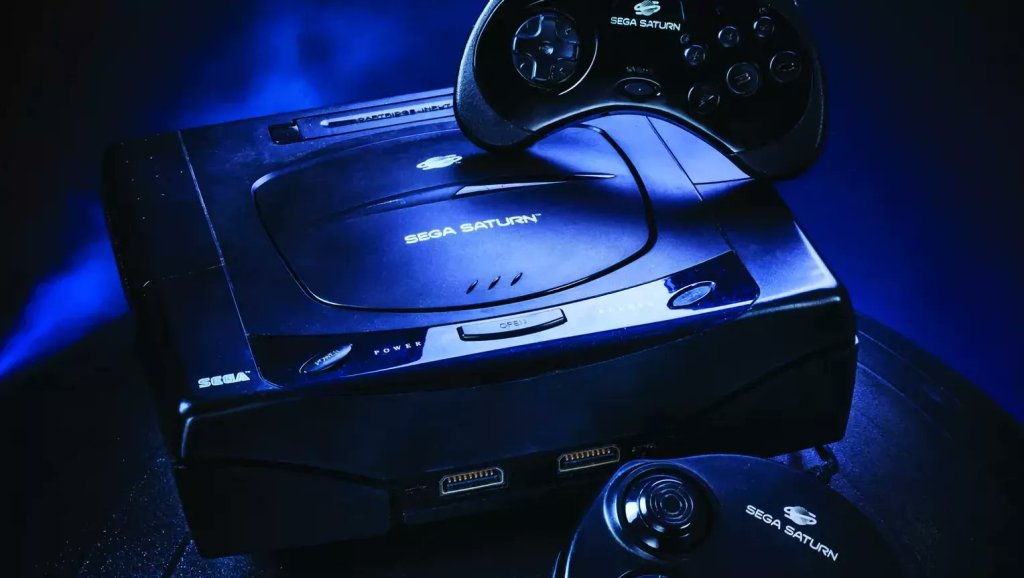
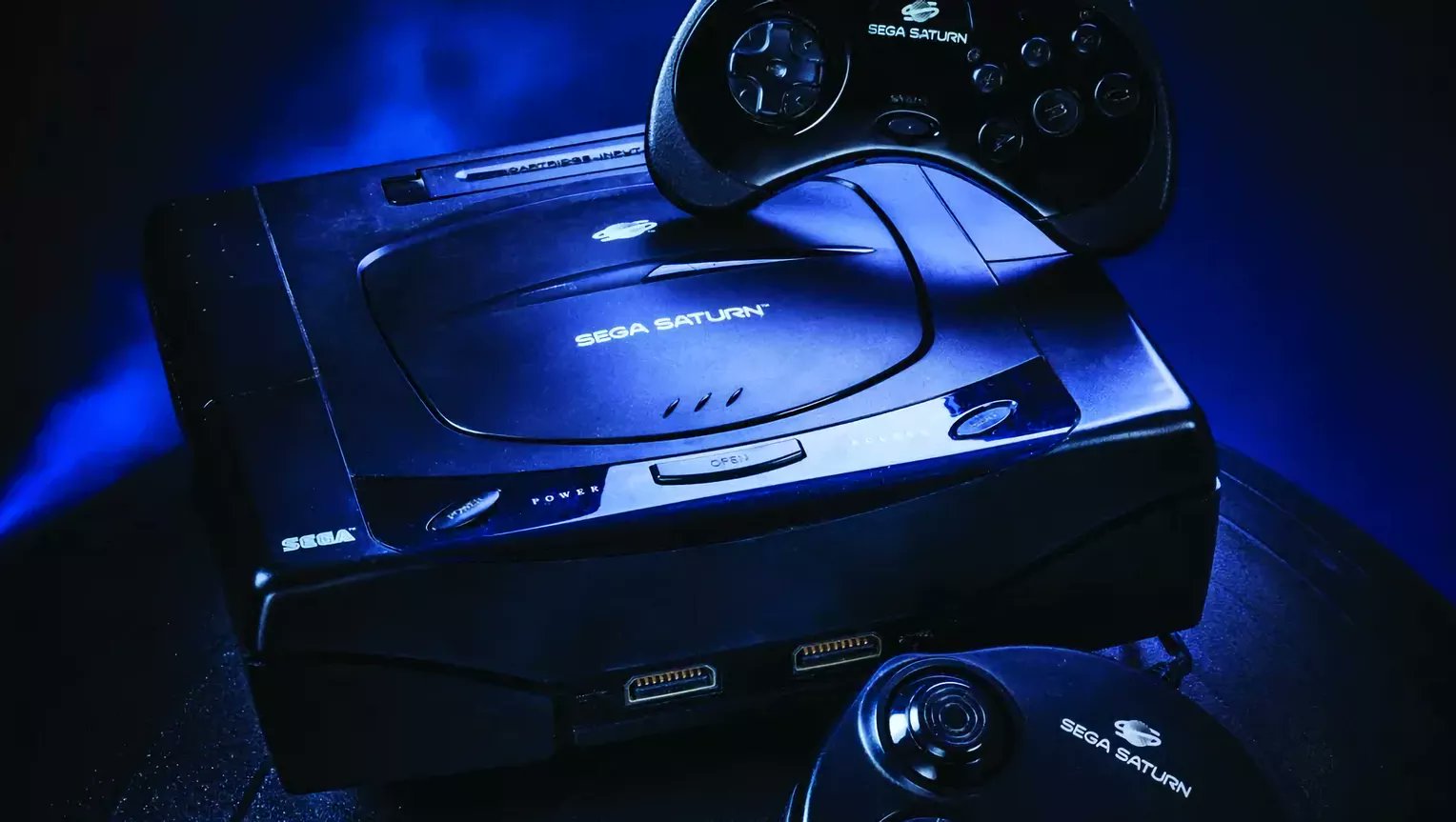
The Sega Saturn is quite possibly one of the most overlooked game system of the 90’s decade. The Saturn console was Sega’s fifth generation console which succeeded the Sega Genesis which came out back in August 1989. The Saga Saturn was initially released in Japan during November 1994 and started appearing in retailers around the world in 1995. The Saturn console was Sega’s first and only 32-bit game system which ended up being overshadowed in American markets due to the popularity of Sony’s PlayStation console. The original PlayStation console also came out in late ’94 and started to become popular in America from ’95 onwards. The PS1 had more high profile third party games than the Sega Saturn did which is why it dominated during the mid to late 90’s. When the Sega Saturn was first released it was priced roughly around $399 which is actually a lot of money by today’s standards. The release price for the PS1 was around $299 in America but the quality was not quite as good compared to the Sega Saturn. While the PS1 was plagued with lengthy loading times the Sega Saturn rarely had that issue. The Sega Saturn was also a console that did not have any memorable first party video games. When you think about games on the Sega Saturn titles like Nights Into Dreams and Sonic Jam comes to mind. Almost, everything else that stood out on the Sega Saturn were mainly just third party games.
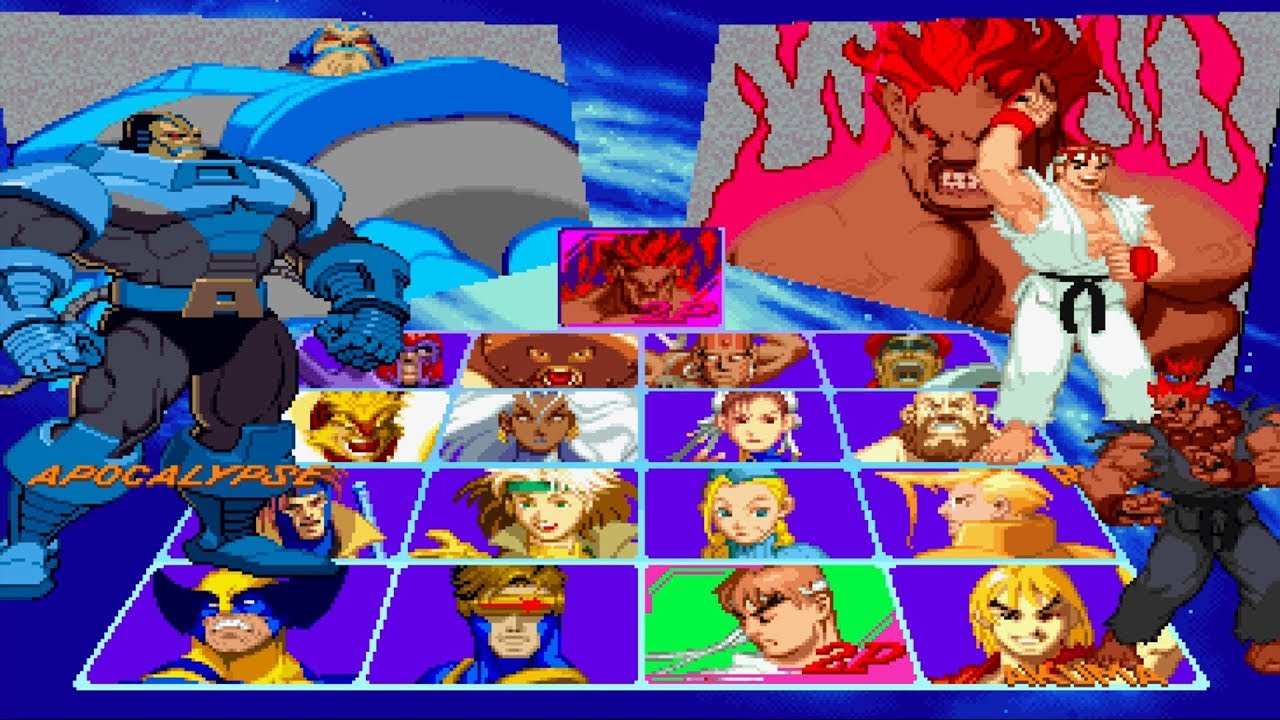
But when it came down to running 2D arcade fighting games like X-Men vs Street Fighter from ’96 the Sega Saturn was far better than the PS1. Both X-Men vs Street Fighter along with its ’97 successor Marvel Super Heroes vs Street Fighter looked perfect on Sega Saturn; while the PS1 version of each game was heavily butchered due to the consoles memory limitations. The Sega Saturn hardly had any 3D games that anyone would care about and was clearly less popular than the Sega Genesis or Dreamcast. Unfortunately, the Saturn console was considered to be the awkward middle child of Sega’s console family. The Saturn came out during a time when competition within the console wars began to increase which prevented it from achieving more success than it could have. Despite, not being heavily promoted in countries like America it managed to sell over 9.2 million units worldwide during its life cycle.


 Gaming Hearts Collection
Leave a comment